

I’ll be honest with you: when I opened my first coffee shop in mid-2021, I had no idea what I was doing with my menu.
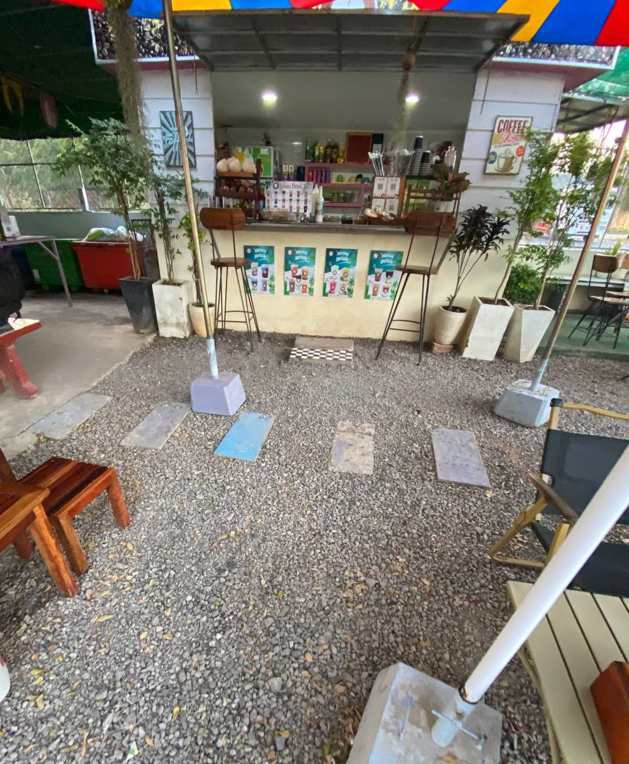
Sure, I had my economics degree and training from COFICO. But somehow, I still convinced myself that bigger was better. I looked at Starbucks and thought, “If they have 50 drinks, I should too.”
Big mistake.
My Menu Was Killing My Business
Picture this: 50+ items on the menu board. Every type of coffee you could imagine. Six different teas. Four juices. Smoothies with exotic fruits. Fancy frappuccinos with names I could barely pronounce.
It looked impressive on paper. Customers would walk in, stare at the board for five minutes, then order… an iced latte.
But here’s what nobody tells you about having a massive menu.
The Strawberry Problem
Remember those smoothies I was so proud of? I bought fresh strawberries every week. Guess how many strawberry smoothies I sold in my first month?
Three.
I watched those strawberries turn brown in my fridge. Then I threw them away. Along with the mangoes. And the dragon fruit. And about half of my profit margin.
I had special syrups sitting on my shelf for drinks that maybe one person ordered per month. They’d expire before I could use them. More money in the trash.
Here’s the painful truth: I was buying ingredients for 50 drinks, but 80% of my customers only wanted about 10 of them. My economics professor would’ve been disappointed.
The Recipe Book Disaster
Want to know why my service was slow at first?
A customer would order one of my “signature specialty drinks” (the ones I rarely made). I’d have to stop everything, flip through my recipe notebook, hunt down the ingredients, and try to remember if it needed two pumps or three.
Meanwhile, there’s a line of people just wanting a simple coffee. They’re checking their watches. Getting frustrated. Some would leave.
That’s when it hit me: I was trying to be everything to everyone. And I was failing at all of it.
The Menu Revolution
So I did something scary. I cut my menu in half.
Actually, more than half. I went from 50+ items down to about 20. And honestly? It saved my business.
Now I can make every single drink without looking at a recipe. My hands just know what to do. A complicated drink that used to take me six minutes? I can do it in under two minutes now.
The waste? Almost zero. I only buy what I know will sell.
What Actually Sells at My Coffee Shop
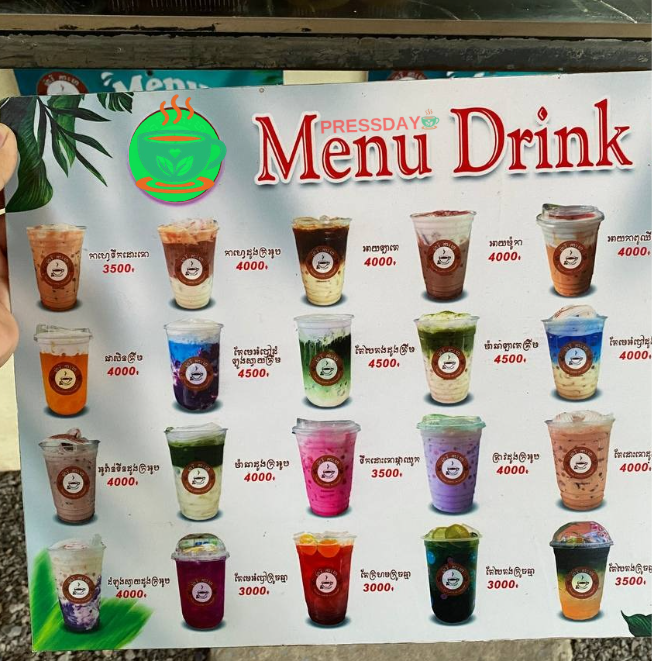
Let me tell you about the drinks that make me money:
My Coconut Coffee
This is the drink that keeps my lights on. It’s not rocket science, but it took me weeks to get it right.
Cambodia is hot. Like, really hot. People don’t just want caffeine in the morning, they want something that cools them down. So I made a coffee that’s creamy and refreshing at the same time. Fresh coconut milk (not the canned stuff), strong espresso, blended until it’s perfectly smooth.
The first time I got the recipe right, the customer took one sip and immediately asked if she could buy five more to take home. That’s when I knew I had something.
The Iced Latte
Here’s the thing about a simple iced latte: you can’t fake it. There’s nowhere to hide.
If your coffee beans are cheap, people taste it. If you don’t know how to steam milk properly, the texture’s all wrong. But when you do it right? It’s beautiful.
Because my menu is smaller now, I can actually afford better beans. My customers notice. They’ll tell me, “Your coffee tastes different than the street carts. It’s stronger, smoother.”
That’s because I’m not spreading my budget across 50 different ingredients anymore. I’m putting it into quality.
Jasmine Green Tea
Not everyone drinks coffee. I learned that the hard way when I tried to push coffee on everyone who walked through my door.
So instead of offering ten different teas (that I’d make wrong half the time), I focused on one really good one. Jasmine tea. It’s light, fragrant, and perfect for hot afternoons.
One tea, done perfectly, beats ten teas done badly.
What I Wish Someone Had Told Me
If you’re opening a coffee shop, or if your menu feels overwhelming, here’s my advice:
Start small. Like, really small. Ten to fifteen drinks, maximum. You can always add more later, but it’s harder to cut things once customers get attached to them.
Watch your trash. Seriously. If you’re throwing away the same ingredient every week, that’s a sign. Take that drink off the menu.
Master the basics before you get fancy. A perfect iced coffee will make you more money than a mediocre “Unicorn Rainbow Frappuccino” or whatever.
And here’s the big one: you don’t need to compete with Starbucks. They have a massive supply chain and hundreds of employees. You have you. Focus on what you can actually do well.
The Numbers Don’t Lie
Since cutting my menu, three things happened:
My ingredient costs dropped by about 40%. Less waste means more profit.
My average service time went from five minutes per drink to about ninety seconds. Faster service means more customers, which means more sales.
My quality got better. When you’re making the same twenty drinks over and over, you get really, really good at them.
Final Thoughts
The Press Day Coffee doesn’t serve everything. We serve what we’re actually good at.
And you know what? Customers appreciate it. They don’t want to stand there staring at fifty options, trying to decide. They want someone to confidently say, “This is what we do best.”
So if your menu is overwhelming you, give yourself permission to shrink it. Focus on your best drinks. Perfect them. Make them so good that people come back just for those.
Your future self (and your bank account) will thank you.
