

When I tell people that patience is the most important skill for entrepreneurs, they usually look at me like I’m crazy. Everyone wants quick results, instant success, the overnight breakthrough. But here’s what I learned after failing once and starting over: patience isn’t just helpful in business—it’s absolutely essential.
Let me share my story and the three types of patience that kept me going.
The Foundation Stage: When Nothing Seems to Happen
Think about a giant tree. Why doesn’t it fall over during storms? Its roots go deep underground, anchoring it firmly in place. Your business works the same way.
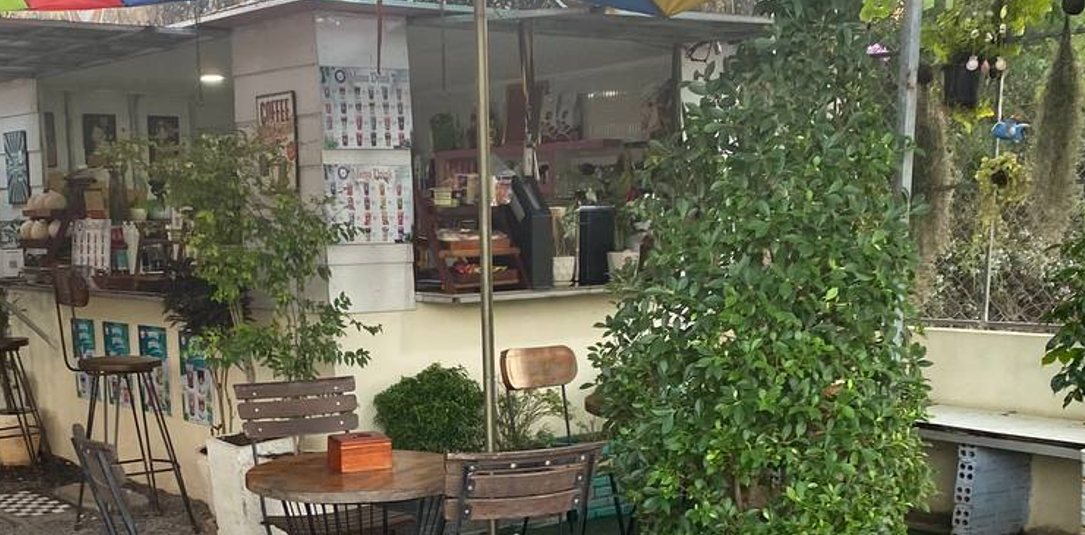
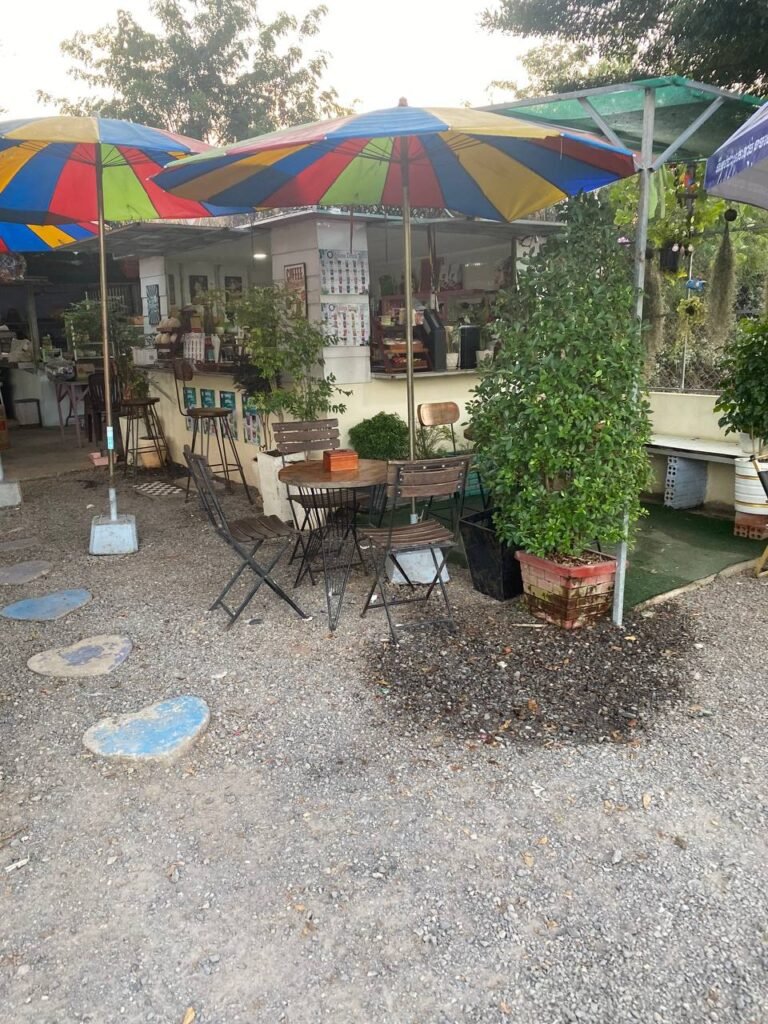
In mid-2021, I opened my first coffee stall. I was so excited. I imagined crowds of customers, positive reviews, maybe even expanding to a second location someday. Reality hit hard. For the first three to six months, I barely made any money. Some days, I’d stand there for hours with only one or two customers.
I did everything myself—bought the supplies, set up the stall every morning, served customers, cleaned up at night. The work was exhausting, and the paycheck was practically zero. By 2023, I had to admit defeat. I closed down.
But looking back now, I realize something important. Those difficult months weren’t wasted time. I was growing roots. I was learning what customers wanted, how to manage money, what worked, and what didn’t. The problem wasn’t that I was doing something wrong—I just quit before the roots grew strong enough.
The lesson? Every business has a foundation stage where you work incredibly hard but see very little reward. This is normal. This is necessary. If you give up during this phase, you’ll never know what your business could have become.
By mid-2023, I started again with The Press Day Coffee. This time, I knew what to expect. I knew the beginning would be tough. And that knowledge made all the difference.
Dealing with Doubters: When People Don’t Get It
Here’s something nobody tells you about chasing big dreams: people will laugh at you.
In 2016, I graduated from the University of Management and Economics with a degree in Economics. My classmates were excited about our futures. During one conversation, someone asked me, “So, what’s next? Are you going to grad school or looking for a job?”
I took a breath and said, “Actually, I want to open a small coffee shop.”
The response? Immediate disbelief.
“What? Why would you do that? ABA Bank is hiring. ACLEDA Bank needs people. You studied economics! Why waste it on a tiny coffee shop? You’re just asking for headaches.”
I understood their concern. They wanted stable jobs with good salaries and benefits. That makes sense. But I had a different vision. “It’s my passion,” I told them. “It’s my dream.”
They didn’t get it. And that’s okay.
Later, I spent two more years studying at the COFICO vocational training school, learning practical skills. People probably thought I was crazy then, too.
Here’s what I learned: When you see a future that others can’t imagine, they’ll naturally be skeptical. Small thinkers mock big dreamers because your dreams make them uncomfortable. Your ambition reminds them of their own limits.
The key is to close your ears to the noise. Stay focused on your work. Keep building, keep learning, keep improving. Eventually, your success will speak louder than any explanation you could give.
Don’t waste energy arguing with doubters. Invest that energy into proving them wrong through your achievements.
Active Patience: The Daily Grind That Changes Everything
This is the most critical part, so pay attention.
Patience does NOT mean sitting around waiting for luck to find you. That’s just laziness with a fancy name. Real patience—what I call “active patience”—means showing up and working hard every single day, even when you see zero results.
After my business failed in 2023, I could have given up completely. Many people do. But I didn’t stop working on myself. I enrolled in a seven-day entrepreneurship course at CamEd Business School in Phnom Penh. I read books. I talked to other business owners. I strengthened my weak areas and learned new skills.
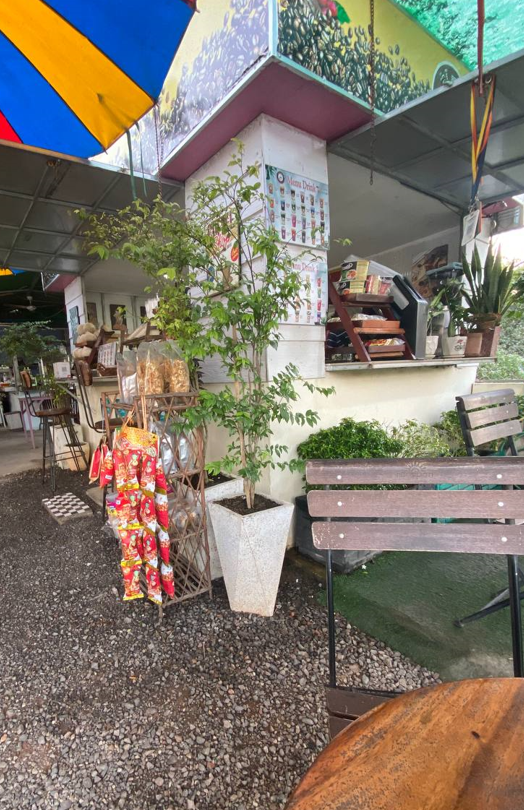
When I opened The Press Day Coffee for the second time, success still didn’t happen overnight. There were slow days, frustrating moments, and times when I questioned everything. But I kept showing up. I kept improving. I kept serving customers with care.
There’s a Cambodian saying that I love: “A drop of water falling every day will eventually fill the jar.” That’s active patience. One drop doesn’t look like much. Ten drops still seem insignificant. But day after day, drop after drop, the jar fills up.
Your daily efforts might feel small and pointless right now. That’s normal. Keep going anyway. Those small actions compound over time into something remarkable.
What This Means for Your Business Journey
If you’re starting a business or struggling with one now, remember these three types of patience:
- Foundation patience means accepting that building something solid takes time. Don’t compare your day one to someone else’s day one thousand.
- Social patience means ignoring critics and doubters who can’t see your vision. Their limited perspective doesn’t define your potential.
- Active patience means working consistently toward your goal, trusting that your efforts will accumulate into success—even when you can’t see progress yet.
Starting The Press Day Coffee taught me that patience isn’t passive waiting. It’s active faith in your vision combined with relentless daily effort. It’s choosing to keep planting seeds even when the harvest seems impossibly far away.
The trees with the deepest roots grow the tallest. Start growing your roots today, and don’t stop until your business stands strong enough to weather any storm.
Your patience today becomes your strength tomorrow.
